Air fryers have become one of the most popular kitchen appliances in recent years, especially for people who want crispy, delicious food with less oil. However, as their popularity grows, so does the concern about safety and materials. Many buyers now search specifically for the best non toxic air fryer to ensure that their cooking process is not only convenient but also safe for long-term health.
In this guide, we’ll break down what “non-toxic” really means, what materials to avoid, and how to choose a safer air fryer for your home.
What Does “Non Toxic Air Fryer” Mean?
A non-toxic air fryer refers to a device made with materials that do not release harmful chemicals when heated. Since air fryers operate at high temperatures (often 180°C–220°C / 356°F–428°F), the internal coating and materials matter a lot.
The main concern is chemical exposure from coatings like traditional non-stick surfaces that may degrade over time.
A truly safer air fryer typically avoids:
PFAS chemicals (often found in non-stick coatings)
PFOA and PTFE in low-quality coatings
Low-grade plastics that may release odors or toxins under heat
Instead, safer options use:
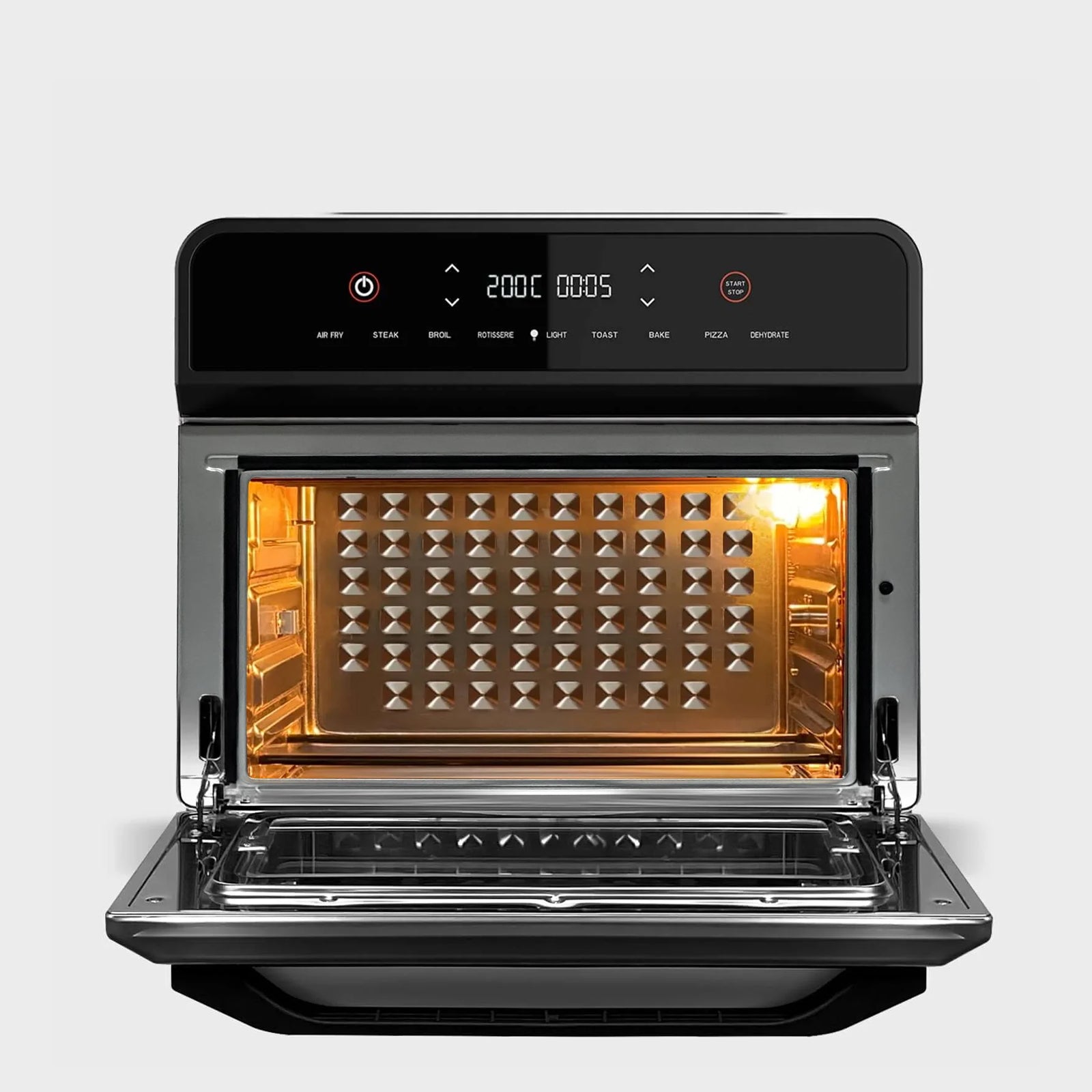
Stainless steel interiors
Ceramic coatings
BPA-free materials
Why Choosing a Non Toxic Air Fryer Matters
When cooking at high heat, poor-quality materials can potentially release harmful substances into food. While many modern appliances are regulated, long-term exposure to questionable coatings is still a concern for health-conscious users.
Choosing a non-toxic air fryer is especially important if you:
Cook daily using an air fryer
Prepare meals for children or elderly family members
Want to reduce exposure to synthetic chemicals in cookware
Prefer clean eating and a healthier lifestyle
In short, it’s not just about cooking convenience—it’s about long-term wellness.

Key Features of the Best Non Toxic Air Fryer
When shopping for a safer air fryer, here are the most important features to look for:
1. Stainless Steel Interior
Stainless steel is one of the safest materials for high-heat cooking. It does not release harmful fumes and is highly durable. Many premium models now use stainless steel baskets or interiors instead of coated non-stick surfaces.
2. Ceramic Non-Stick Coating
Ceramic coatings are often considered a safer alternative to traditional Teflon-style coatings. They are free from PFAS chemicals and are more stable under high temperatures.
3. BPA-Free Exterior Plastics
While the interior is most important, the exterior housing should also be BPA-free to avoid any chemical migration, especially near heat vents.
4. Even Heat Distribution Technology
A good air fryer should cook food evenly without requiring excessive temperatures, reducing stress on materials and improving safety.
5. Easy-to-Clean Design
Non-toxic doesn’t just mean safer materials—it also means easier maintenance. A clean appliance reduces residue buildup that could burn and release odors.
Materials to Avoid in Air Fryers
Not all air fryers are created equal. Some low-cost models still use materials that may degrade faster under heat.
Be cautious of:
Cheap non-stick coatings that peel easily
Unknown “PTFE-like” coatings without certification
Strong chemical smell during first use (a red flag)
Very low-priced units with unclear material descriptions
Benefits of Using a Non Toxic Air Fryer
Switching to a safer air fryer can bring several benefits:
Healthier Cooking
You reduce potential exposure to unwanted chemicals while still enjoying crispy fried-style food.
Better Food Quality
High-quality materials often provide more consistent heat, leading to better texture and flavor.
Longer Appliance Lifespan
Stainless steel and ceramic-coated appliances tend to last longer than cheap non-stick alternatives.
Peace of Mind
Knowing your kitchen tools are safe makes everyday cooking more enjoyable and stress-free.
Final Thoughts
Finding the best non toxic air fryer is not about chasing trends—it’s about making smarter, healthier choices in your kitchen. By focusing on materials like stainless steel, ceramic coatings, and BPA-free components, you can significantly reduce potential risks while still enjoying all the benefits of air frying.
As consumers become more aware of food safety and cookware materials, demand for non-toxic kitchen appliances continues to grow. Whether you’re upgrading your old air fryer or buying your first one, prioritizing safety and build quality is always a worthwhile investment.
A healthier kitchen starts with better tools—and your air fryer is no exception.