Are Air Fryers Toxic? Separating Facts from Fears
If you spend any time on social media, you have likely seen the headlines screaming that your favorite kitchen gadget might be a cancer risk. As someone who uses their...
If you spend any time on social media, you have likely seen the headlines screaming that your favorite kitchen gadget might be a cancer risk. As someone who uses their...
If you spend any time on social media, you have likely seen the headlines screaming that your favorite kitchen gadget might be a cancer risk. As someone who uses their air fryer almost daily to cook everything from chicken wings to roasted veggies, I was alarmed when I first saw these claims. Are air fryers toxic? Is that crispy, convenient food secretly harming us?
To get to the bottom of things, I delved into the latest findings and even examined the construction of air fryers. Here's what you need to know.
The Great Acrylamide Debate
The most common "toxic" claim against air fryers involves a chemical called acrylamide. The rumor mill suggests that air fryers produce dangerous levels of this carcinogen. But is that the full story?
Not exactly. Here is the scientific truth: Acrylamide forms when starchy foods (like potatoes or bread) are cooked at high temperatures (above 120°C or 250°F). It is the result of the Maillard reaction—the chemical process that gives browned food its delicious, nutty flavor .
Here is the kicker: Acrylamide is not unique to air fryers. It forms whether you are baking, roasting, toasting, or even deep-frying. In fact, studies show that compared to traditional deep frying, air frying can reduce acrylamide levels by 70% to 90% . Because air fryers use circulating hot air rather than submerging food in oil, the cooking process is often more controlled and requires less extreme surface heat.
So, while air frying isn't zero risk (no high-heat cooking is), it is a massive improvement over the deep fryer.
More Than Just Acrylamide: PAHs and BaP
Acrylamide isn't the only compound we worry about. When cooking meat at high temperatures, especially over an open flame or in a pan, we risk creating Polycyclic Aromatic Hydrocarbons (PAHs) and Heterocyclic Amines (HCAs).
However, air fryers appear to win here too. A significant 2024 study published by the NIH compared beef patties cooked in an air fryer versus a conventional oven. The researchers measured Benzo[a]pyrene (BaP) , a potent carcinogen found in charred meat. The results were striking: BaP concentration in beef cooked in the air fryer was significantly lower—by about 22.7 ng/kg—than beef cooked in the oven .
The study highlighted that the advantage comes from oil-free cooking. When you brush oil on meat in an air fryer, the fat drips away from the food rather than pooling around it, reducing the chemical reaction that creates these toxins .
The "Non-Toxic" Appliance Movement
While the food safety science is relatively settled (air frying is healthier than deep frying), a new concern has emerged recently: the machine itself.
Traditional air fryers often contain plastic components and non-stick coatings (like Teflon) that can degrade at high temperatures. The worry is that heating plastic or certain chemicals (like PFAS, also known as "forever chemicals") could release toxic fumes into your food or kitchen air.
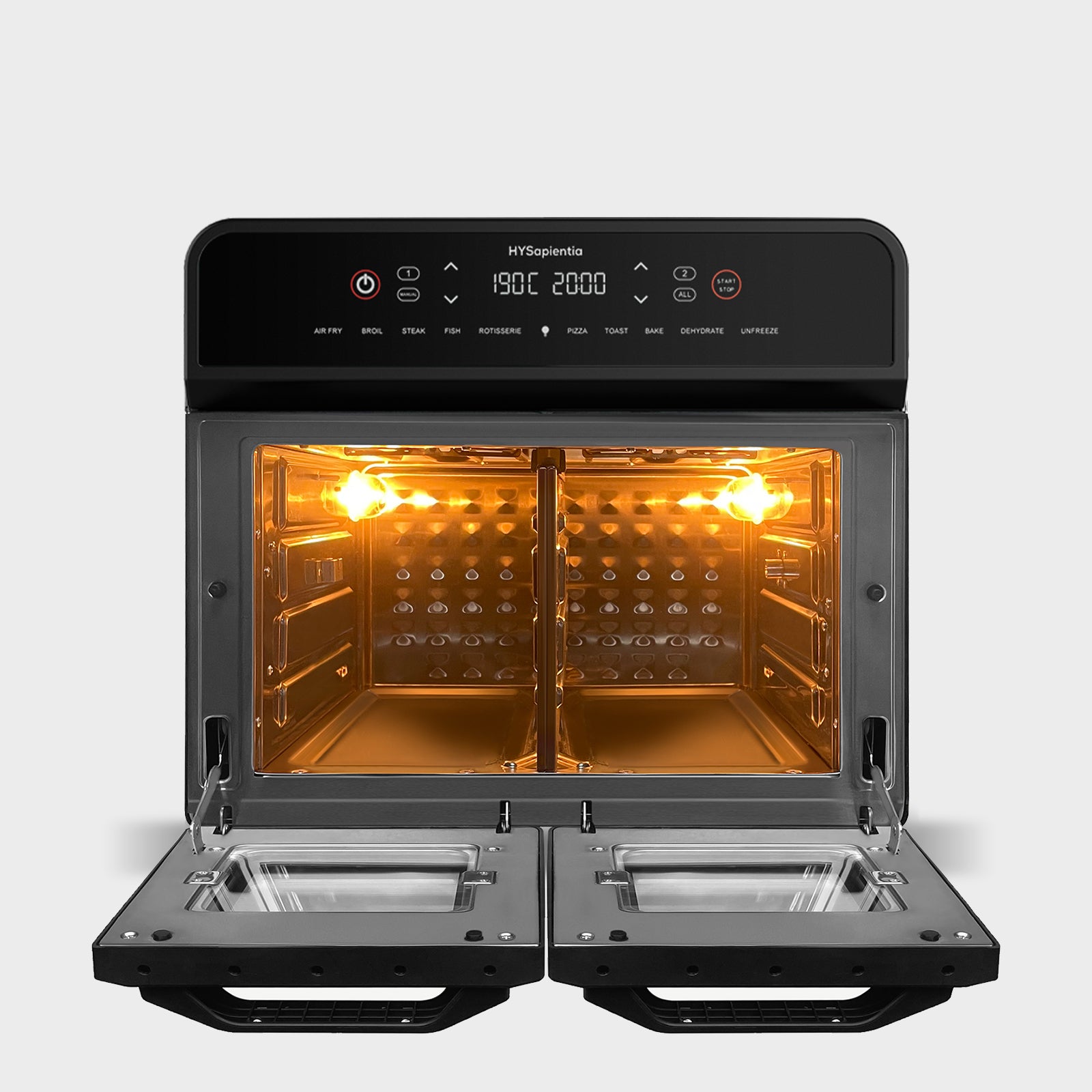
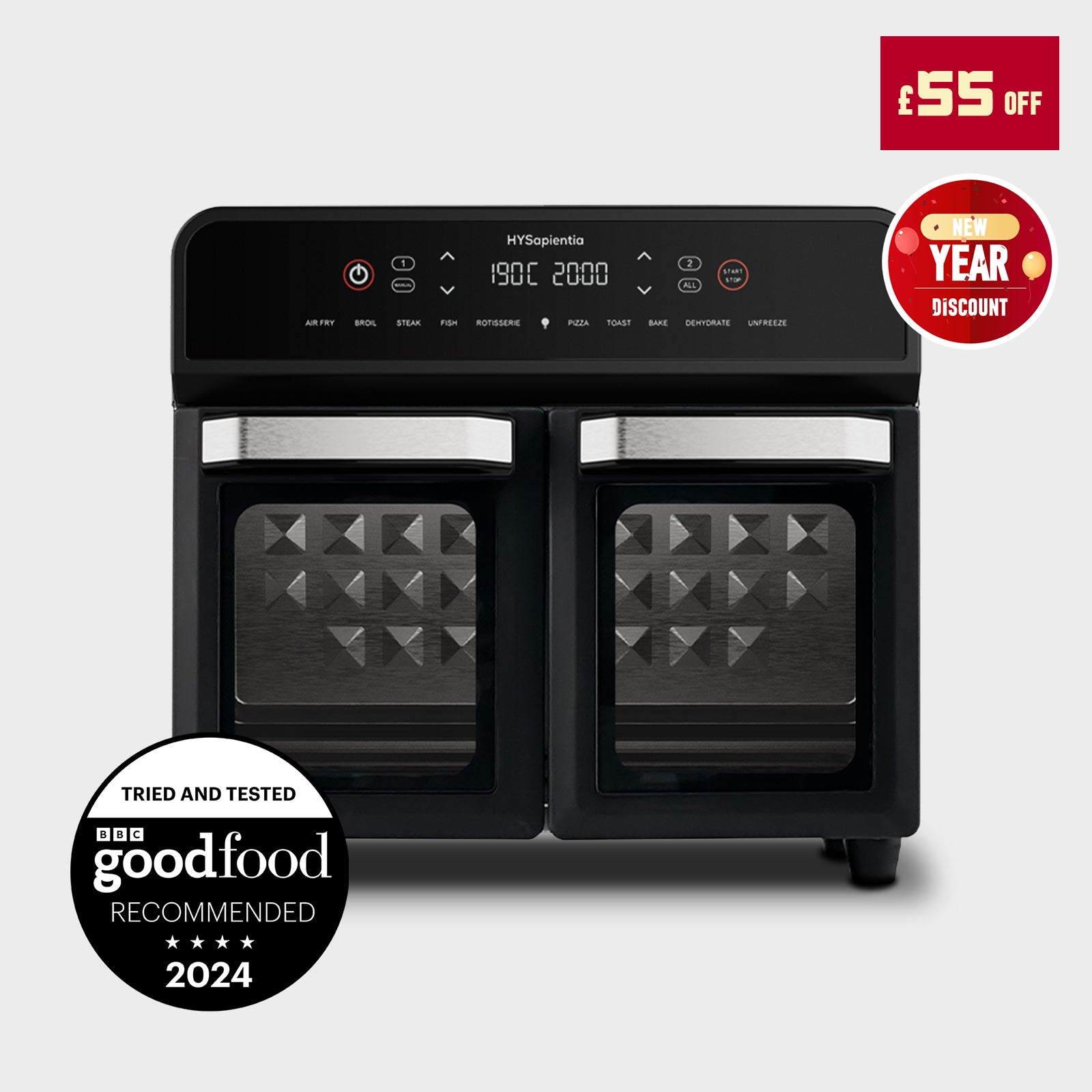
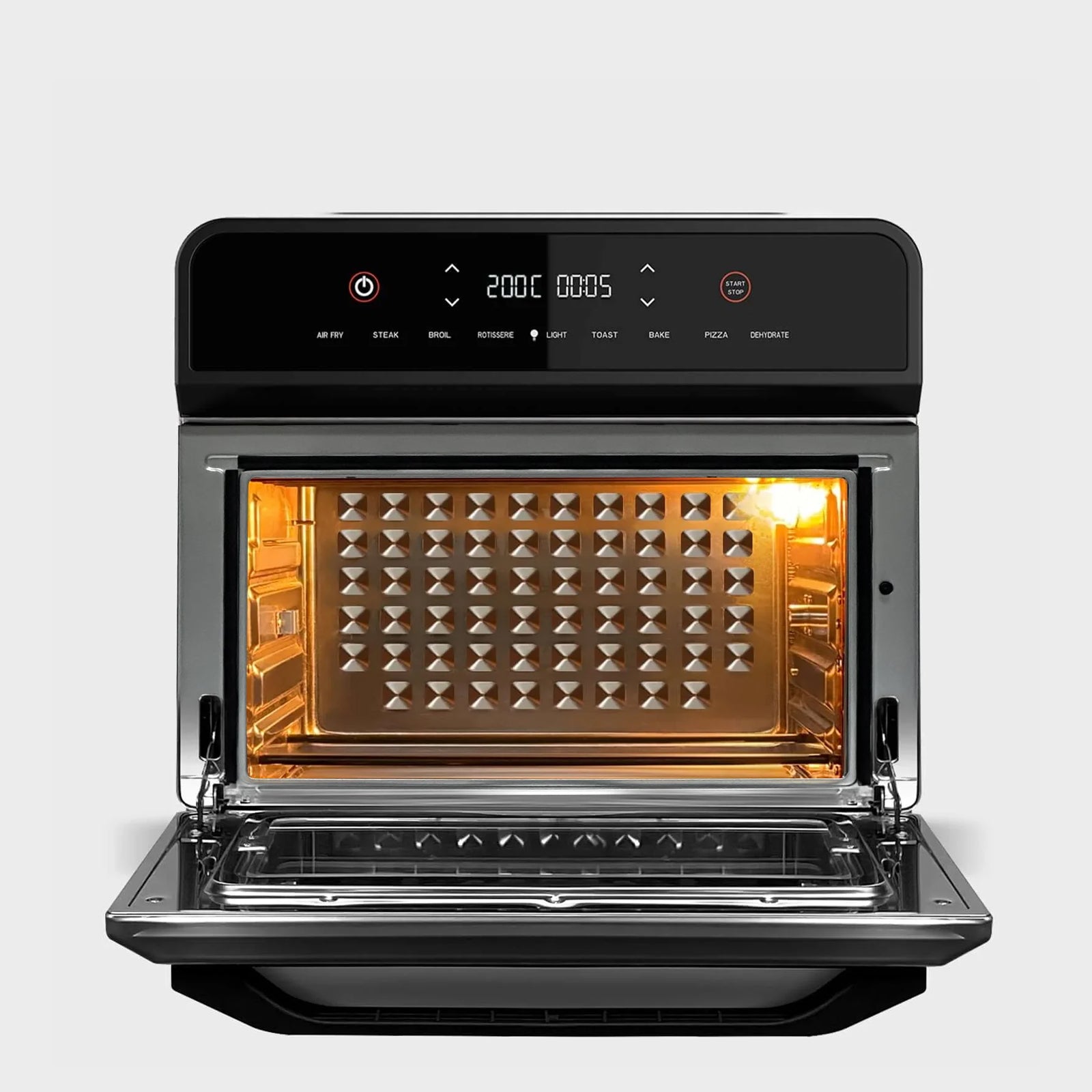
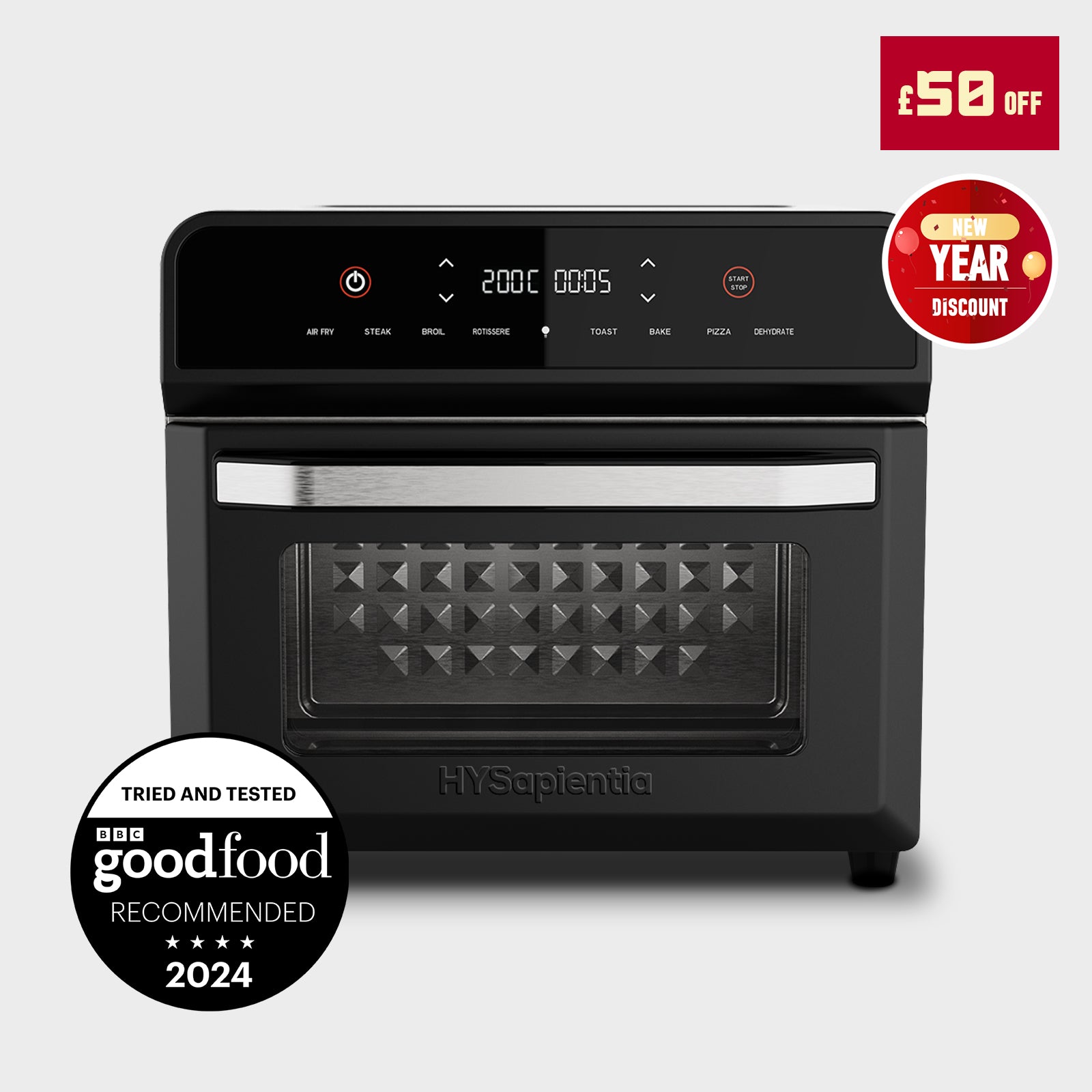
This concern has sparked a new trend in manufacturing. A new range of specially designed air fryers has now been launched to eliminate this concern. These new models replace the plastic inner pot with a stainless steel one.
If you are worried about the "toxic" label, switching to a stainless steel or ceramic-based air fryer is a practical solution .

You don't necessarily need to throw away your current air fryer or swear off crispy food. Based on the evidence, here is how to minimize risks:
1. Don't rely on it for "junk food"
An air fryer doesn't turn a processed frozen nugget into a salad. As Dr. Ulysses Wu notes, "Air fryers can absolutely be part of a healthy kitchen, but it really depends on what you’re cooking in them" . Focus on whole foods like fresh vegetables, lean proteins, and homemade seasonings.
2. Avoid the "burnt" zone
Cook food until it is golden brown, not blackened. If you are cooking starchy foods like potatoes, soaking them in water for 15–30 minutes before cooking can drastically reduce acrylamide formation .
3. Mind the materials
If your current air fryer has a scratched non-stick basket, replace it. Once the coating is damaged, it can flake into food.
4. Use less oil (or none at all)
The beauty of the air fryer is that you don't need to coat food in oil to make it crispy. Since the 2024 study found that skipping the oil brushing significantly reduced carcinogen formation in meat, embrace the "oil-free" function whenever possible .
The Verdict
Are air fryers toxic? No, not in the way social media scares suggest.
If you use your air fryer to cook fresh vegetables and lean meats, avoiding burnt edges, you are making a healthy choice. If you are worried about plastics, spend a little extra on a stainless steel model. Don't let the fear-mongering take away a tool that genuinely helps people eat fewer processed, deep-fried foods.
Il carrello è vuoto.
Inizia a fare acquisti